Losing a grandparent is a deeply emotional experience. Grandparents often represent unconditional love, safety, wisdom, and family history. Finding the right words after such a loss can feel overwhelming, especially when you want to offer comfort without saying the wrong thing.
The messages below are written to help you express sympathy with sincerity, warmth, and respect check more here : 100+ Long Love Messages to Express Deep Feelings
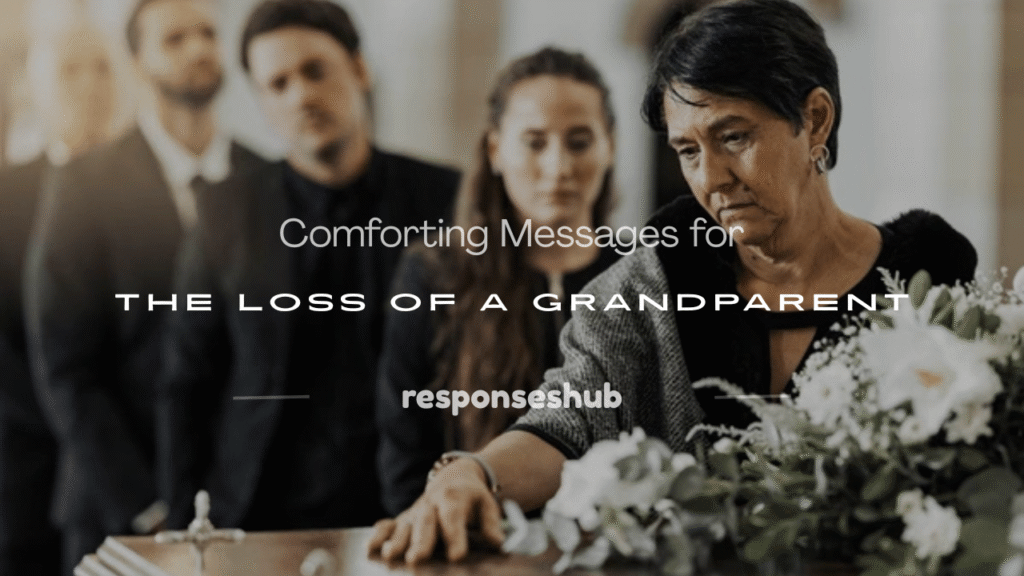
What to Say When Someone Loses a Grandparent
Why Grandparent Loss Is Deeply Personal
The loss of a grandparent is deeply personal because grandparents often play multiple roles in a person’s life. They may have been a second parent, a storyteller, a caregiver, or the emotional glue of the family. For many, losing a grandparent feels like losing a piece of childhood, family tradition, and emotional safety all at once.
Acknowledging Grief Without Minimizing It
When sending a loss of a grandparent message, it’s important to acknowledge the pain without trying to “fix” it. Avoid phrases that rush healing or compare grief. Simply recognizing their loss and validating their emotions helps the grieving person feel seen and understood.
Choosing Words That Offer Comfort, Not Clichés
Comforting words don’t need to be elaborate. The most meaningful condolence message for a grandparent is often one that is honest, gentle, and free of clichés. Focus on empathy, remembrance, and support rather than explanations or platitudes.
Why the Loss of a Grandparent Hurts So Deeply
Emotional Bond Between Grandparents and Grandchildren
The emotional bond between grandparents and grandchildren is often unique. Grandparents love without pressure, judgment, or expectation. This unconditional bond makes their absence especially painful when they pass away.
Role of Grandparents as Mentors, Caregivers, and Anchors
Grandparents often serve as emotional anchors within families. They pass down values, traditions, and stories that shape identity. Losing them can feel like losing guidance, stability, and a connection to the past.
Grieving Both the Person and the Memories
Grief after losing a grandparent isn’t just about the person—it’s also about the memories attached to them. Holidays, family gatherings, and everyday moments can suddenly feel heavier, as they remind us of what has been lost.
Loss of a Grandparent Messages (By Tone)
Heartfelt Loss of a Grandparent Messages
Heartfelt messages focus on genuine sympathy and emotional warmth. They acknowledge the loss while honoring the love and legacy the grandparent leaves behind.
Examples of heartfelt messages:
- “I’m so sorry for your loss. Your grandparent’s love and presence will always be part of who you are.”
- “Thinking of you during this painful time. Your grandparent’s legacy of love will never fade.”
- “My heart goes out to you and your family. Your grandparent was clearly deeply loved.”
Short and Simple Messages for the Loss of a Grandparent
Sometimes fewer words carry the most meaning. Short condolence messages are especially appropriate for texts or quick notes while still offering sincere support.
Examples:
- “I’m so sorry for your loss.”
- “Thinking of you and your family.”
- “Sending love and strength during this difficult time.”
- “My deepest condolences on the loss of your grandparent.”
Comforting Messages That Offer Support
Comforting messages focus on reassurance and presence. They remind the grieving person that they are not alone in their pain.
Examples:
- “I can’t imagine how hard this is for you, but I’m here if you need anything at all.”
- “Please know you’re not alone. I’m holding you in my thoughts.”
- “Wishing you comfort, peace, and gentle moments of healing.”
Thoughtful Messages Focused on Memories
Messages that honor memories help celebrate the grandparent’s life rather than focusing only on the loss.
Examples:
- “Your grandparent’s love lives on in the memories you shared and the values they passed down.”
- “May the beautiful memories you have bring you comfort during this time.”
- “A life filled with love is never truly gone—it lives on through the people it touched.”
Condolence Messages for Specific Relationships
Loss of a Grandmother Messages
Grandmothers are often remembered for their warmth, kindness, and nurturing presence. Messages for the loss of a grandmother should reflect gentleness and emotional care.
Examples:
- “I’m so sorry for the loss of your grandmother. Her warmth and love will always be remembered.”
- “Your grandmother’s kindness touched so many lives. Thinking of you with love.”
- “May the love your grandmother gave you continue to comfort you.”
Loss of a Grandfather Messages
Grandfathers are often seen as symbols of wisdom, strength, and guidance. Messages for their loss should feel respectful and honoring.
Examples:
- “I’m deeply sorry for your loss. Your grandfather’s wisdom and strength will always live on.”
- “Your grandfather’s legacy is one of love and guidance. May his memory bring you peace.”
- “Thinking of you as you honor the life and lessons of your grandfather.”
Loss of a Grandparent Messages for Different Situations
Messages for a Close Friend Who Lost a Grandparent
For close friends, your message can be more personal and emotionally supportive.
Examples:
- “I know how much your grandparent meant to you. I’m here for you, always.”
- “My heart aches for you. Please don’t go through this alone.”
- “I’m so sorry, my friend. Your pain matters, and I’m by your side.”
Messages for a Coworker or Colleague
Workplace condolences should be compassionate yet professional.
Examples:
- “Please accept my sincere condolences on the loss of your grandparent.”
- “Thinking of you and your family during this difficult time.”
- “Wishing you comfort and strength as you navigate this loss.”
Messages for Acquaintances or Extended Family
For acquaintances, polite and respectful messages are appropriate.
Examples:
- “I’m very sorry for your loss. My thoughts are with you.”
- “Please accept my condolences during this time of sorrow.”
- “Wishing you peace and comfort as you remember your grandparent.”
Religious and Spiritual Messages for the Loss of a Grandparent
Faith-Based Comfort Messages
For those who find strength in faith, religious messages can offer deep comfort after the loss of a grandparent. These messages acknowledge grief while gently reminding the bereaved that their loved one is in a place of peace and rest. When shared appropriately, faith-based words can feel reassuring rather than overwhelming.
Examples include messages that speak of eternal peace, divine mercy, or God’s love surrounding the family during their time of sorrow.
Prayers and Spiritual Reassurance
Prayers can be a powerful way to express care when words feel limited. Offering prayers for strength, healing, or peace lets the grieving person know they are being held in both thought and spirit. Spiritual reassurance helps many people cope with loss by leaning on beliefs that provide hope beyond grief.
When and How to Use Religious Language
Religious language should be used with sensitivity. It’s best shared when you know the person is spiritual or faith-oriented. Avoid imposing beliefs or suggesting the loss was “meant to happen.” When used thoughtfully, spiritual messages can bring comfort rather than discomfort.
What NOT to Say After the Loss of a Grandparent
Common Phrases That Unintentionally Hurt
Certain phrases may be meant kindly but can feel dismissive to someone grieving. Statements like “they lived a long life” or “at least they’re not suffering” can minimize pain, even if well-intended. Grief doesn’t follow logic—it needs empathy.
Why Comparisons Minimize Grief
Comparing losses, such as saying “I know how you feel” or referencing your own grief experience, can unintentionally shift focus away from the person who is hurting. Every loss is unique, and comparisons often feel invalidating.
Avoiding Toxic Positivity
Toxic positivity pressures someone to “stay strong” or “look on the bright side” before they’re ready. Grief needs space. It’s okay to simply acknowledge pain without trying to make it better right away.
How to Write Your Own Loss of a Grandparent Message
Start by Acknowledging the Loss
Begin your message by clearly acknowledging the loss. Simple recognition—such as expressing sorrow for the passing—shows respect and awareness.
Mention the Grandparent Respectfully
Referring to the grandparent with warmth or admiration personalizes the message. You might mention their kindness, wisdom, or the love they shared with family.
Offer Comfort or Support
Offer reassurance without pressure. Let the person know you’re thinking of them or available if they need support. Even small gestures of care matter.
End With Presence and Care
Closing with presence—such as “I’m here for you” or “sending you strength”—helps the message feel ongoing rather than final.
How to Write a Condolence Message
Understanding how to write a condolence message means balancing empathy, respect, and simplicity. Thoughtful words spoken with sincerity matter more than perfect phrasing.
When and How to Send a Condolence Message
Text vs Card vs In-Person Message
Texts are appropriate for immediate condolences, especially when distance is involved. Cards feel more formal and lasting, while in-person messages allow for deeper connection. Choose the format that best suits your relationship and the situation.
Timing Considerations
Sending a message soon after learning of the loss shows care, but it’s never “too late” to offer condolences. Grief doesn’t end after the first few days.
Following Up After the Initial Message
Following up later—weeks or even months after—can be incredibly meaningful. Many people feel most alone after the initial support fades.
Why Condolence Messages Matter During Grief
Emotional Validation
Condolence messages validate grief. They let the person know their pain is recognized and respected.
Feeling Seen and Supported
Being acknowledged during loss helps people feel less isolated. Simple words remind them they’re not grieving alone.
The Power of Simple Words
You don’t need perfect language. Simple, sincere words often carry the greatest comfort during moments of deep sorrow.
Conclusion
No message can remove the pain of losing a grandparent, but kind words can soften loneliness and offer warmth in dark moments. When spoken with empathy and care, condolence messages become small acts of compassion that truly matter.
FAQs
What to say when someone loses their grandparent?
Express sympathy, acknowledge the loss, and offer comfort without rushing healing.
What is the best RIP message?
The best RIP message is sincere, respectful, and focused on honoring the life and love of the person who passed.
What is a short message for my grandparents who passed away?
A short message can simply express remembrance, love, and gratitude for their presence in your life.
What to say to someone who lost a grandmother?
Offer gentle sympathy, acknowledge their pain, and express care without minimizing their grief.